Hi, I’m Yossi Medalsi.
Emotional coach and creator of the M.S.A. approach.
Online coaching for teens aged 11–18, parents, couples and adults.
I have been there. In relationships, in parenting and when the life I had built fell apart. Back then, I did not have the tools I use today.
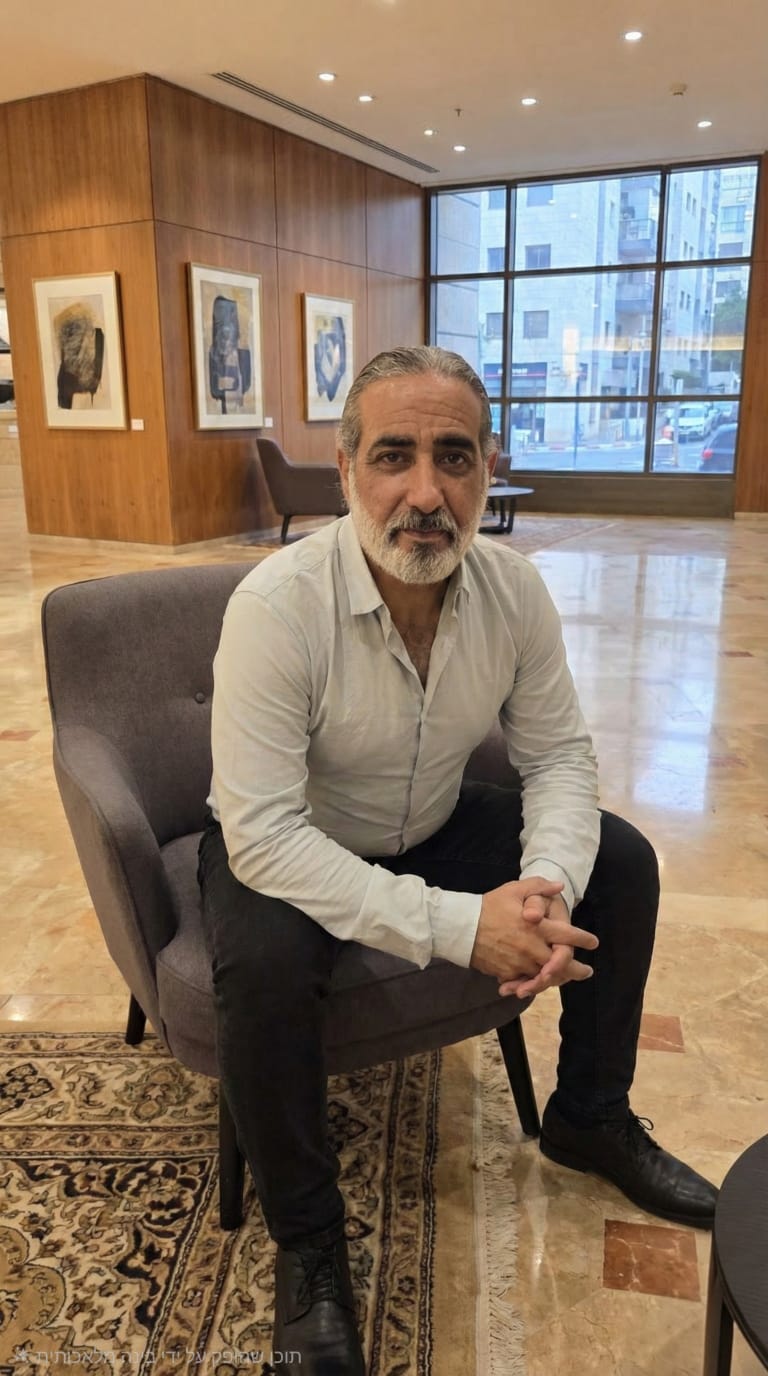
My path into emotional coaching began in my own life. I know the need to prove your worth, the people pleasing that keeps things quiet on the surface and the fear of making a change. When I sit with a parent whose child is pulling away, someone going through a separation or a person putting off a dream because they doubt they can achieve it, I bring both what I learned along the way and the professional training and tools I gained afterwards.
I grew up in Mitzpe Ramon in a modest home. My mother worked hard to keep the family going, and even when she was home, she could not always be emotionally available. My father did not take his role seriously. There was a lot of unease at home. When I was 12, my parents divorced and we moved to Netanya. At 14, I chose to go to a military boarding school. Nobody forced me. I believed that without someone setting boundaries for me, I would have none. Even then, I had a sense of direction of my own. I just didn't trust it.
For years afterwards, I kept pushing. I spent 15 years running a tattoo business, followed by 16 years in marketing and sales management in the luxury sector. From the outside, it looked like success. Inside, it felt like a constant effort to prove that I was worth something.
Perfectionism pushed me forward. People pleasing kept the peace. Gradually, I lost touch with what I wanted. I brought those same patterns into my relationships and parenting. I tried to be the one who caused no trouble, held everything together and managed on his own. Eventually, I understood that achievements alone could not give me the security I was looking for, and avoiding conflict could not give us a close family.
The turning point came when the life I had worked so hard to build fell apart. In that emptiness, I began to understand that lasting confidence had to grow within me. I also began to see how much my own reactions affected life at home.
I learned that rebuilding a relationship means looking at the automatic reactions each person brings into it. The same applies to parenting. When I felt unsettled inside, that affected the way I responded to my child. Change had to begin with the patterns I was bringing into our relationship.
That led me to professional training and certification as an emotional coach. I wanted practical ways to release the patterns that can keep directing our lives even when we are intelligent, self-aware and understand where they came from. Today, I work with teenagers aged 11–18, parents, couples and adults. I know from lived experience how fear and old patterns affect family life, relationships and the choices we make.
I know what it is like when a child withdraws. I know what it is like to be a parent trying everything, feeling that every attempt only creates more distance. I know what it is like to stand outside a closed door and realise that I need to work on my own reactions. I also know the change that can begin when a parent stops pursuing the child and starts working on themselves, and the whole home begins to feel calmer.
After separation and divorce, your own experience matters too
I know separation from the perspective of both a child and a parent. The grief for the family you imagined, the hurt, anger and guilt, and the effort to keep going while everything changes. At the time, I did not have the tools I have today. That experience informs my professional work with parents after separation, both in their relationships with their children and in their own lives. There is room to work with what remains from the relationship that ended, the fear of the future and the question of how you want to move forward.
Teenagers whose parents separate have their own experiences and goals. Moving between homes, missing a parent, worrying about hurting one of them or feeling they have nobody to talk to can weigh heavily. In coaching, we build trust, make room for what the teenager feels and work with what holds them back in relationships and everyday life. They are not responsible for repairing the relationship between their parents. Work with parents and teenagers is adapted to their needs, age and agreed boundaries around privacy.
Before relocation and while building a life abroad
Moving to another country can be something you have wanted for years and still bring fear, loneliness and strain within the family. I also work with people and families preparing to relocate or already living abroad. Before the move, we explore worries, what each partner wants and the difficulty of leaving familiar people and places. Afterwards, there is room for the loss of routine, community or professional identity, differences in how quickly family members settle in and the pressure this can put on relationships and parenting.
When children are involved, their experience needs attention too. A new language, a different school, friends left behind and difficulty feeling that they belong. A parent may be carrying the practical demands of the move and feeling guilty when their child struggles, while also needing support themselves. I work with parents and teenagers according to their needs, to understand what is difficult for each person, release the barriers holding them back and build goals for connection, belonging and their new life. Sessions take place online, wherever you live.
After releasing the barrier, we work towards what you want to achieve
My coaching follows the M.S.A. approach. Map what holds you back. Shed the barriers. Advance towards your goals and purpose. We begin by exploring what you want and what stops you. We map the barrier and work on releasing the pattern, fear or belief behind it. After that, the independence stage is coaching towards the goals and life you want to build.
A career change you have put off, a relationship you want to build, a direction you have not dared to choose or a wish you keep setting aside. In the independence stage, we explore what matters to you, develop a vision, set goals and turn them into steps. We agree on what you will do before the next session, review what happened and adjust the next step. If another barrier emerges, we work with that too. This is the coaching work that connects releasing a barrier with building the life you want.
I know how long you can keep things looking fine on the outside while putting off what matters to you. Today, I work with people who want to take that conversation, decision or change forward and develop the confidence to face what comes with it.
What matters to me in coaching
Release what holds you back. Build the life you want.
We begin with what you want to change or achieve and what happens when you try. From there, we map the barrier, work on releasing it and move into coaching towards your goals and purpose. Each stage connects to what is happening in your life.
Map what holds you back
We explore what you want, look at situations that keep repeating and identify the belief, fear or protective response that limits your choices.
Shed the barriers
At your pace and with your agreement, we work with feelings, the subconscious and the protective part to release the pattern or belief that keeps the barrier in place.
Advance towards your goals and purpose
After releasing the barrier, we develop the direction you want, set goals, break them into steps and review progress. You build the ability to cope and keep moving forward independently.
Common questions about working with me
Who do you work with?
I work with teenagers aged 11–18, parents, couples and adults. This includes teenagers and parents after separation or divorce, and people and families before or after relocation. We begin with what you want to change or achieve and what is holding you back.
Can we work together if I live outside Israel?
Yes. Sessions take place online, wherever you live. We can work on the challenges you are facing before or after relocation.
What makes emotional coaching different from simply talking about a problem?
In coaching, we map the barrier that makes it difficult to move forward and work on releasing it. After that, the independence stage focuses on your goals and sense of purpose. We define what you want to build, agree on steps and review your progress in everyday life.
Can you help parents and teenagers?
Yes. I work with teenagers and with parents who want to understand recurring conflict, emotional withdrawal or difficult reactions at home. We agree on a starting point that fits the family and the young person.
Do you use inner child work?
When it fits the person and the pattern we're exploring, we may work with younger parts of the self and the emotional lessons they carry. This is one part of the broader Heart Compass approach.
How can I find out whether coaching is right for me?
Use the button below to send me a WhatsApp message. Tell me a little about what is happening and what you would like to change. I will respond with information relevant to your situation.
Can we start before relocating and continue from abroad?
Yes. Online coaching allows us to explore your goals and concerns before the move and continue afterwards. With children, we also look at what the change means for them and what parents need to stay connected and support the adjustment. Individual coaching for teenagers is adapted to their age, willingness and own goals.
After divorce, can I come for myself as well as for parenting?
Yes. There is room for grief, pain and feelings left from the relationship, as well as what you want for your own life. We work with the barriers and patterns that hold you back, then build goals for what comes next. Teenagers whose parents have separated can also have coaching focused on their own experiences and goals.
Can sessions take place in English?
We can explore this together in an introductory conversation, making sure we can communicate comfortably and work in depth.
Is there a conversation you keep postponing, a change you want to make or something that feels difficult to carry alone? Tell me a little about what is happening and what you would like to be different. We can start there.
Yossi, I want to make a change